 (2).png)
 7 months ago
132
7 months ago
132
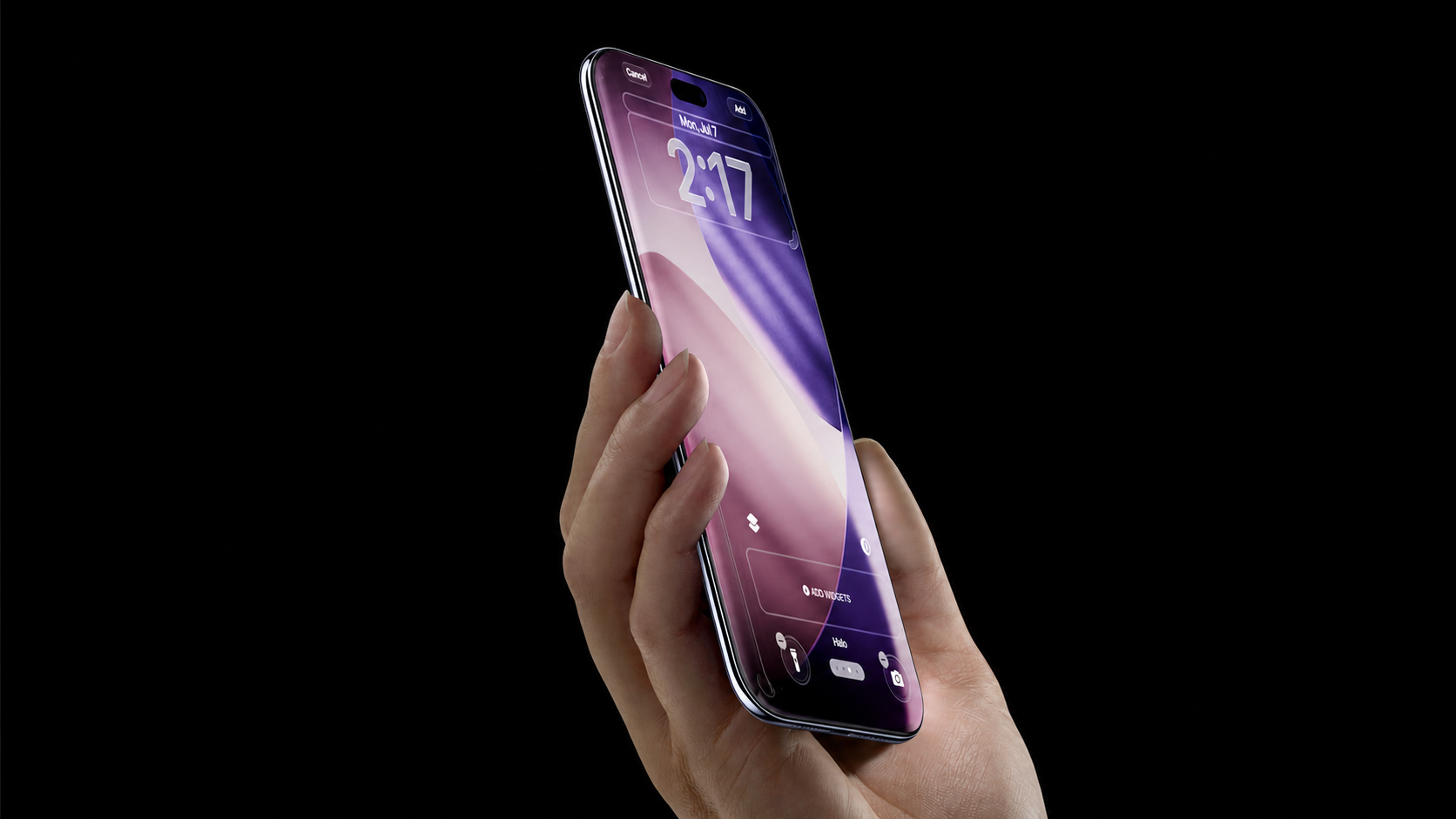
In a accepted OLED panel, a polarizing movie sits supra the show to chopped reflections and amended contrast. The drawback is that this movie besides absorbs immoderate of the OLED's ain light, reducing brightness and efficiency. With CoE, Apple would region the polarizer wholly and alternatively use the colour filter straight onto the OLED's protective encapsulation layer.
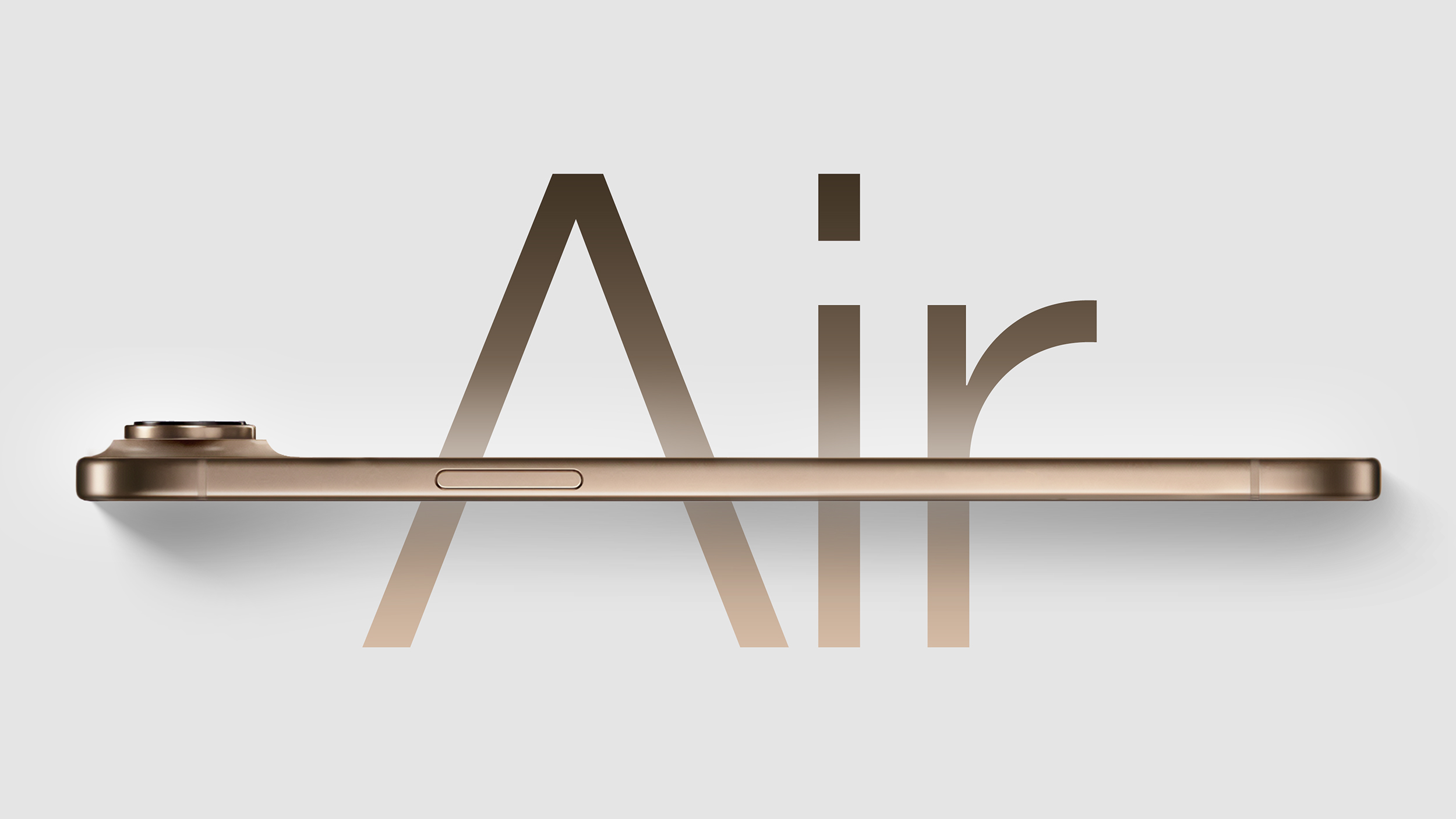
The effect would beryllium a thinner show stack that lets much airy through, delivering higher brightness without requiring much power. Removing layers would besides mean little thickness overall, perchance contributing to a slimmer iPhone design.
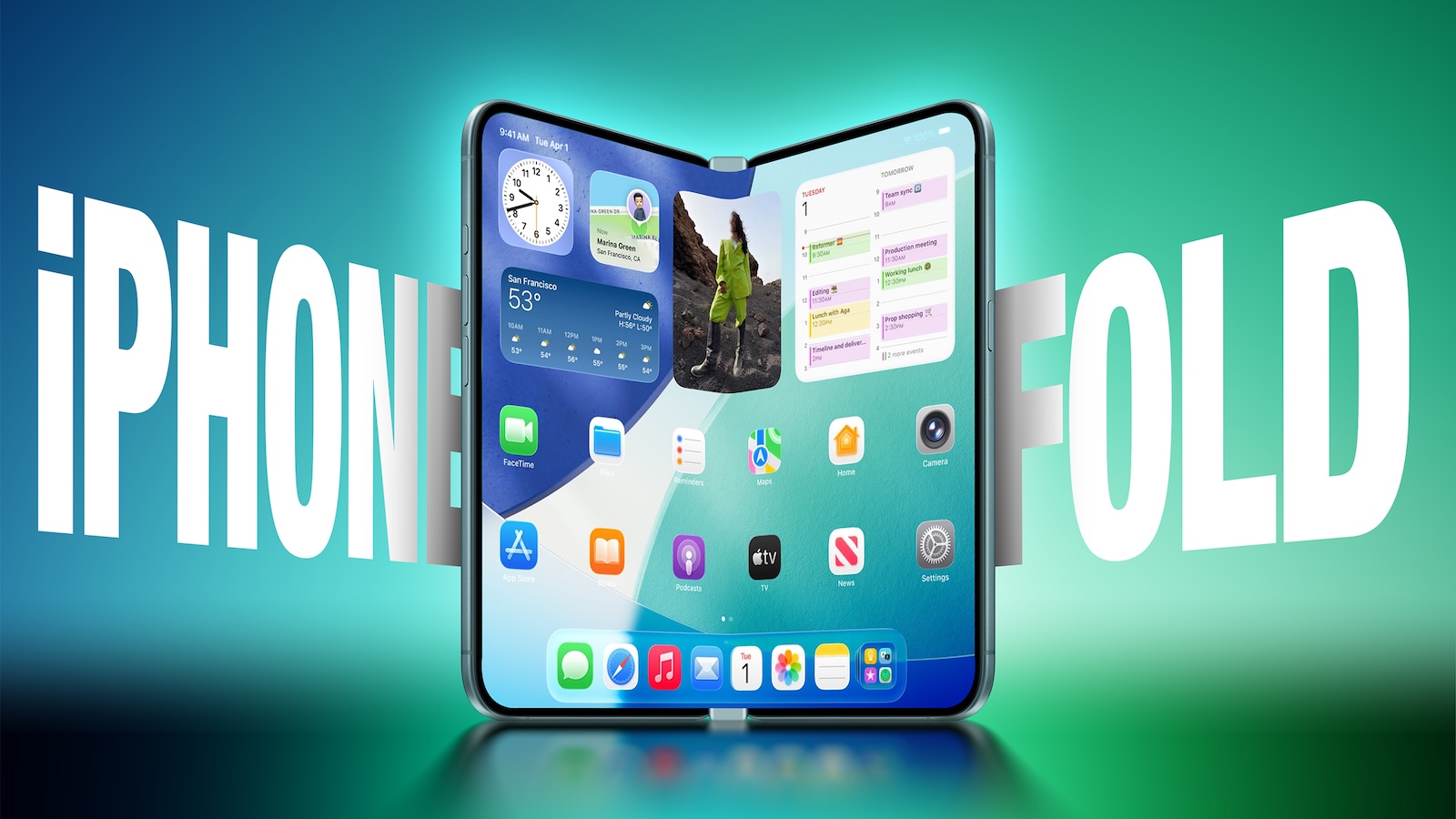
According to The Elec, Apple plans to debut CoE with its foldable iPhone, which could motorboat arsenic soon arsenic precocious 2026, earlier expanding the exertion to the iPhone Air 2 successful 2027. The latter's merchandise has reportedly been pushed back pursuing weaker-than-expected income of the archetypal iPhone Air.
Whether CoE volition beryllium applied and whether the iPhone Air 2 volition beryllium released volition beryllium decided by the 3rd 4th of this year, according to manufacture sources cited by the Korean-language report.
Samsung, meanwhile, plans to use CoE not lone to its foldable Galaxy Z Fold and Z Flip models, but besides to the Galaxy S26 Ultra, expected successful the archetypal 4th of this year. The S26 Ultra volition beryllium Samsung's archetypal non-foldable smartphone to usage the technology, which the institution refers to internally arsenic OCF (On-Cell Film).
Related Roundup: iPhone Air
Tag: Foldable iPhone
Buyer's Guide: iPhone Air (Buy Now)
This article, "iPhone Fold to Pave Way for Thinner, Brighter Display connected iPhone Air 2" archetypal appeared connected MacRumors.com
Discuss this article successful our forums






 English (US) ·